Japanese New Year Decorations Shimekazari - Some are for protection, other for welcoming the gods (kami)…i will try to explain the most common of them. Since we often don’t have access to japanese family life, the decorations put up by shops and temples are the best (and often only) way for us to learn about japanese new year’s decorations.

Traditional Japanese New Year Decoration made out of rice
For foreigners, these public decorations are very interesting.

Japanese new year decorations shimekazari. Japanese new year totoro postcard. Shimekazari | japanese new year decorations made of hemp. Kagami m ochi is a round rice cake that is decorated new year in japan.
Immediately after december 25, the christmas decorations are replaced with the new year decorations… the new year is the most important celebration in japan and, even if they look like simple ornaments, the traditional japanese new year decorations have complex spiritual meanings: In japan it is customary on new year to display “shimekazari” on the entrance door to ward off evil spirits and welcome good fortune like a talisman. The meaning of kadomatsu decorations.
Here are some other traditions of the japanese new year’s holidays: ・しめ縄、しめ飾り(shimenawa, shimekazari) shimenawa is straw thick rope decoration for good luck. Kadomatsu usually consist of three bamboo poles of different lengths which are cut diagonally.
It is the only time of the year that almost everyone takes off, and a shop claiming to be “open all year, no holidays” means that they are open over the new year period; One of the traditional japanese new year’s decoration. Shimekazari are taditional japanese new year decorations hung on the entrance door to ward off evil spirits and welcome good fortune {{purchaselicenselabel}} {{restrictedassetlabel}} {{buyoptionlabel(option)}} you have view only access under this premium access agreement.
Traditional japanese new year decorations made of hemp following up their well received shimekazari show last year, they decided to offer a selection of original shimekazari again this year. The picture below was taken exactly two years ago, on january 7th 2012. See more ideas about japanese new year, japanese, japanese culture.
It is placed on the gates, entrances or cars’ front side from the end of the year to the beginning of next year. The decorations commonly consist of kadomatsu (three bits of bamboo and some pine leaves), kagamimochi (two tiers of mochi, or rice cakes with a tangerine on top), and shimekazari (a new year’s wreath). Kadomatsu is a decoration with three cut pieces of bamboo and pine for the japanese new year’s holiday.
Traditional japanese new year decorations. Traditional japanese new year decorations made of hemp following up their well received shimekazari show last year, they decided to offer a selection of original shimekazari again this year. See more ideas about new years decorations, newyear, japanese new year.
Traditional shimekazari is made of twisted rice straw rope called shimenawa decorated with auspicious things. I’ll introduce about main two decorations. The new year is the most important celebration in.
This traditional new year decoration is made of shimenawa, a sacred shinto straw rope, and other materials such as bitter oranges, ferns, and white ritual paper. The hanging of shimekazari (しめ飾り) on top of the house entrance to prevent bad spirits from entering and to invite the toshigami (歳神), or shinto deity, to descend and visit. See more ideas about japanese new year, newyear, new years decorations.
Some drivers, especially taxi drivers, even put a. New year is a very important period for jinja, and in japanese culture more broadly. The three new year's ornaments to attract good luck in japan.
The new year’s holiday in japan is often called shogatsu or oshogatsu and is celebrated from january 1st to 3rd. After christmas, you will see this decoration at the entrances of houses and buildings in japan. Japanese new year’s garland ‘ shimekazari’.
The picture below was taken exactly two years ago, on january 7th 2012. From left, shimekazari, kadomatsu, and kagami mochi. Kadomatu (かどまつ, 門松) kadomatsu are a pair of pine decorations which are placed in front of the gates of houses and buildings from january 1st to the 7th.
Shimekazari', new year ornament are on sale at a stall at the kiyoshikojin seichoji temple as the new year preparation continues on december 28, 2017. Pine tree branches and sprays of plum trees are fastened to the bamboo poles with a new. Shogatsu, the new year, is the most important celebration in japan, and the preparations start immediately after christmas, when the christmas ornaments are replaced with the traditional japanese decorations.actually, these are more than just decorations, these are amulets welcoming the new year’s gods (kami), bringing prosperity, good luck, and warding off the bad spirits.
New year’s is the most important holiday in japan and focuses on tradition and family. Teaming up once more with the yamakawa family, specialists in the traditional art of twisting and twining hemp fibers into shimenawa ropes for ritual use. See more ideas about japanese new year, newyear, new years decorations.
Japanese new year’s plum trees. Many japanese have decorations for new years. Traditional japanese new year decorations, shimekazari.
The decoration timing is also very important. Thank you, so excited about a new one in my totoro collection! For foreigners, these public decorations are very interesting.
During new year period we place decoration on some places. See more ideas about japanese new year, new years decorations, flower arrangements. Shimekazari in the hanami koji street in kyoto.
Since we often don’t have access to japanese family life, the decorations put up by shops and temples are the best (and often only) way for us to learn about japanese new year’s decorations. Immediately after december 25, the christmas decorations are replaced with the new year decorations. The sign may even include a note saying that they are closed in august.
Paying homage at a shrine or temple to pray for good luck is one of the most important customs japanese observe during. Jacquard looms, and a symphony of threads gathered, twisted, spun, laid, and tucked in place. Japanese craftsmanship:日本の匠「西陣織」 if you are interested in how weaving is done you’ll appreciate this video about the weaving process used in japan.
Teaming up once more with the yamakawa family, specialists in the traditional art of twisting and twining hemp fibers into shimenawa ropes for ritual use. After the new year’s period, we take the decorations to shrines, and they are burned. The shimekazari is a smaller version of this symbol to protect our home or business from evil spirits and receive the new year without negative influences.

Chinese new year decor Trang trí, Tết trung quốc, Tái chế

virtualartifacts “ neverthoughtaboutatitle Traditional
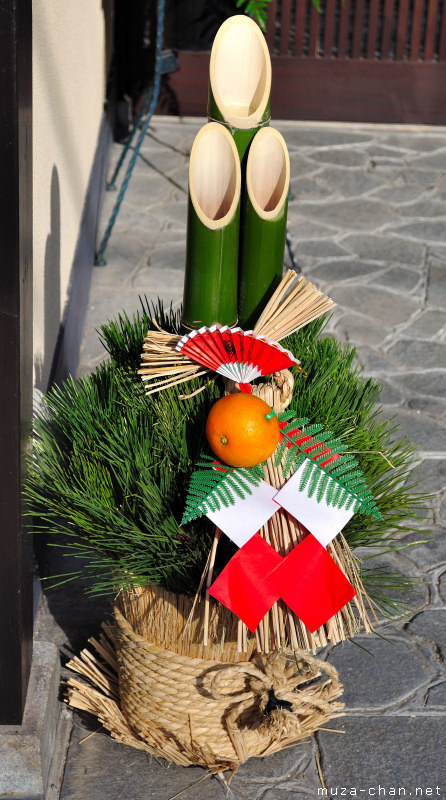
kadomatsu.jpg (400×661) Japanese New Year Pinterest

outside decoration for new year Outside decorations

Japanese New Year wreath 2014 お正月アレンジ, お正月 飾り, 正月

Kadomatsu and Shimekazari Japans Traditional NewYears

Kadomatsu outside a shop. A kadomatsu is a traditional

Decorations for Shogatsu, new year days. Japanese new

A kadomatsu (門松, literally "gate pine") is a traditional

Japanese decoration for New Year, Shimekazari しめ飾り a

Japanese New Year decoration お正月 飾り リース, お正月 ディスプレイ, お正月 飾り

Traditional Japanese New Year Decoration made out of rice

Japanese New Year Decoration, Shimekazari New years

Japanese New year Rice Straw Decorations Straw
